Pay-per-click (PPC) advertising is all around us. Whether you’re conducting a Google Search or scrolling through social media, there are PPC ads.
Pay-per-click marketing has been a core part of any digital marketing strategy, and a perfect complement to SEO strategies.
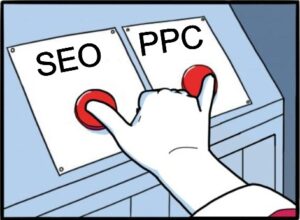
While SEO takes time to show results, PPC drives immediate traffic, leads, and sales. It’s a powerful way to generate sales leads, grow e-commerce revenue, boost website traffic, and increase online visibility.
Why PPC is Awesome for Your Business
PPC is your ticket to instant visibility.
Unlike SEO, which can take months to build momentum, PPC puts your ads in front of the right audience almost instantly—whether on search engines, social platforms, or third-party websites.
You’re reaching people who are already searching for what you offer, which means more clicks, leads, and sales.
Plus, you only pay when someone clicks! That means you’re getting value for every dollar spent.
PPC also gives you complete control.
You can zero in on highly specific audiences, adjust budgets, test new copy, and refine your campaigns in real-time to maximize ROI.
It’s flexible, fast, and results-driven.
However, while PPC can be incredibly effective, it also requires a well-thought-out strategy to avoid wasting budget and missing key opportunities.
What is PPC Strategy & Why Do You Need It
A PPC strategy is like a roadmap for your ads. It’s all about picking the right keywords, targeting the perfect audience, and making sure every click counts.
Without a strategy, you’re just throwing money at ads and hoping for the best (spoiler: that doesn’t work).
But with a solid plan in place, you’ll spend smarter, outperform your competitors, and turn clicks into actual conversions.
5 PPC Strategies to Get Results Now
Let’s say you’re a new business aiming to increase website traffic.
Your PPC strategy might focus on driving clicks through Google Ads, using high-volume keywords relevant to your niche. Simple, focused, and effective.
Now imagine you’re in a more competitive industry.
Things get trickier. PPC works on a bidding system—you set a maximum cost-per-click (CPC), and your ad competes with others bidding on the same keywords.
You probably can’t outbid everyone, so you’ll need a smarter approach:
With the right strategy, you can still stand out and drive results, even without the biggest budget.
Here are five practical PPC strategies to level up your campaigns. Each one’s packed with simple steps and real benefits to help you win at advertising.
Target Smarter with Audience Layers
“It’s hard to target a message to a generic 35-year-old middle-class working mother of two.
It’s much easier to target a message to Jennifer, who has two children under four, works as a paralegal, and is always looking for quick but healthy dinners and ways to spend more time with her kids and less time on housework.”
– Elizabeth Gardner
What to do: Don’t just aim for “everyone”. Use Demographic & Interest settings to zero in on specific groups, like people who visited your site but didn’t buy, or folks actively shopping for your products.
Mix and match audiences — say, past visitors plus people interested in your industry for super-focused ads.
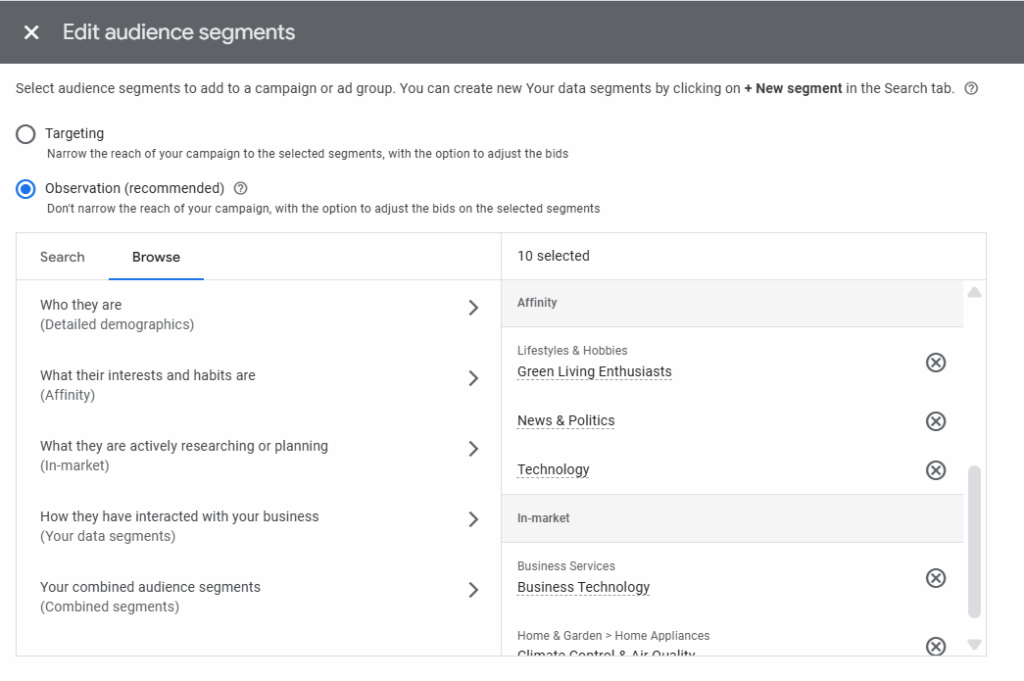
Here’s how I helped a sustainability-focused client define their target audience.
How to Start:
- Check your website data to spot your best visitors (like cart abandoners)
- Set up remarketing lists in Google Ads to re-target those folks
- Try in-market audiences to reach people ready to buy
Why It Works: Narrow targeting means your ads hit the right people, boosting clicks and sales. Remarketing ads can get 2-3x more conversions than regular ones, and you’ll spend less on uninterested clicks.
Quick tip: If you sell pet supplies, show ads for dog toys to people who browsed your dog section, and add a “limited stock” message to spark action.
Go for High Intent, Long-Tail Keywords
What to do: Skip broad terms like “shoes” and target specific phrases like “women’s vegan leather sneakers.” These long-tail keywords are cheaper and attract people who know exactly what they want.
Use tools like Google Keyword Planner to find them.
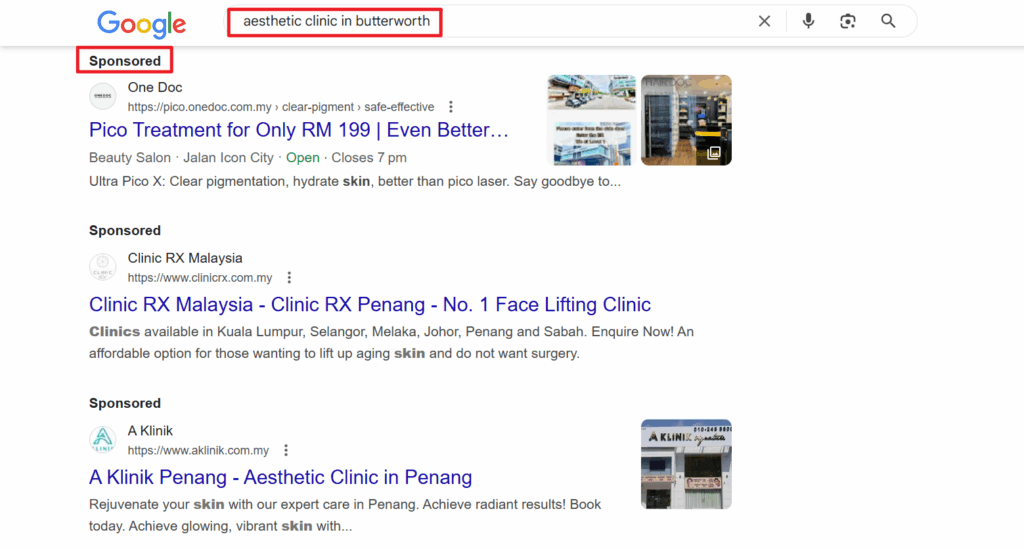
This is one of the examples of high-intent, long-tail keywords commonly used by prospective clients of aesthetic clinics.
How to Start:
- Search for long-tail keywords with decent searches but low competition
- Group similar keywords into small ad groups for better ad matches
- Write ads that speak directly to the keyword, like mentioning “vegan sneakers” in the headline
Why It Works: Long-tail keywords cut your costs and bring in ready-to-buy customers. They make up 70% of searches and often convert way better than generic terms. It’s a sneaky way to compete without a huge budget.
Quick tip: For a bakery, try “gluten-free birthday cakes [your shop location]” and link to a page showcasing your custom cakes.
Let Smart Bidding Do the Heavy Lifting
What to do: Use Google Ads’ Smart Bidding, like “Maximize Conversions,” to let AI tweak your bids for you.
It looks at who’s clicking, where they’re from, and what device they’re on to get you the best results without constant fiddling.
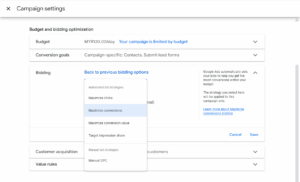
How to Start:
- Set up conversion tracking (like sign-ups or purchases) so the AI knows what to aim for
- Run a manual bidding campaign for a month to gather data, then switch to Smart Bidding
- Tweak your budget or goals monthly
Why It Works: Smart Bidding saves time and boosts results. Advertisers see up to 20% more value from their budget with these tools. It’s like having a pro manage your bids 24/7.
Quick tip: For a gym, use “Target CPA” to get sign-ups at a set cost, letting the AI find the best leads for you.
Write Ads That Grab Attention
What to do: Make your ads pop with words that spark excitement, like “Last Chance!” or “Exclusive Offer.” Test different versions using Google’s Responsive Search Ads to see what clicks with your audience.
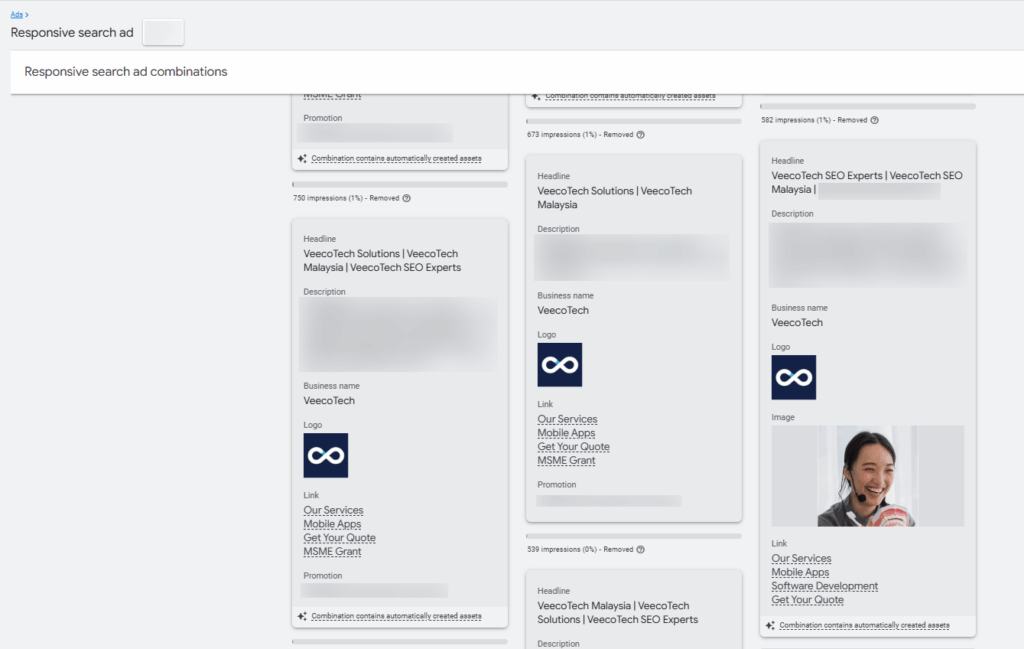
How to Start:
- Make use of all the headlines fields per ad copies, mixing urgent phrases or benefits (e.g., “Save 30% Today!”)
- Use clear, effective calls-to-action, like “Improve your SEO ranking” instead of “Contact Us”
- Check which ads get the most clicks and keep refining
Why It Works: Catchy ads get more clicks, and testing helps you find the winners. Emotional ads can lift click rates by 30%, meaning more traffic for the same budget.
Quick tip: A coffee shop could test “Grab Your Morning Latte!” vs. “Free Pastry with Your Coffee!” to see what pulls in more customers.
Build Landing Pages That Convert
What to do: Create landing pages with content that matches your ad perfectly, so visitors get exactly what they expect.
If your ad promotes “organic skincare for sensitive skin,” your landing page should focus on those products, with clear text, images, and a call-to-action (CTA) that seals the deal.
Use the same keywords and messaging from the ad to keep things consistent.
How to Start:
- Write headlines and copy that echo the ad’s promise, like “Discover Organic Skincare for Sensitive Skin” for the ad example above
- Include visuals (e.g., product photos) and benefits (e.g., “hypoallergenic, dermatologist-tested”) that align with the ad’s focus
- Add a clear, action-based CTA, like “Limited Offer, Shop Now!”
Why It Works: Relevant landing page content keeps visitors engaged, reduces bounce rates, and turns clicks into sales. Pages that match ad intent can increase conversions by up to 200%, and they improve Google’s Quality Score, lowering your ad costs.
Quick tip: For a tutoring service, if your ad says “math tutoring for high schoolers,” make sure the landing page highlights math programs, shows student success stories, and has a “Book Now” button front and center.
Mistakes to Avoid in Your PPC Campaigns
Ignoring Negative Keywords
Bidding on broad keywords without negative keywords is like inviting irrelevant clicks to eat up your budget.
For example, if you offer “commercial solar panel installation,” you don’t want clicks from people searching “solar panel installation for home”.
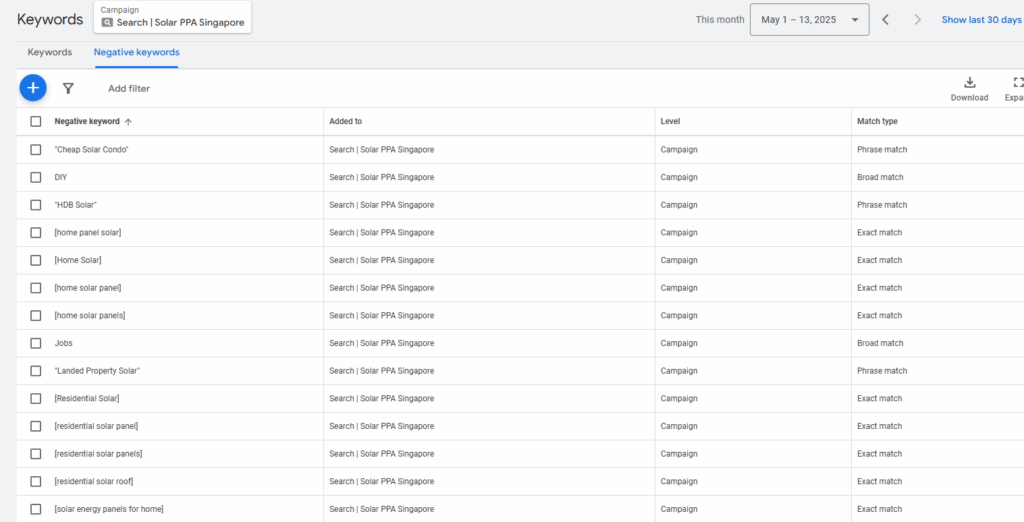
Fix It: Use Google Ads’ Search Terms Report to spot irrelevant searches, then add them as negative keywords weekly.
Setting and Forgetting Campaigns
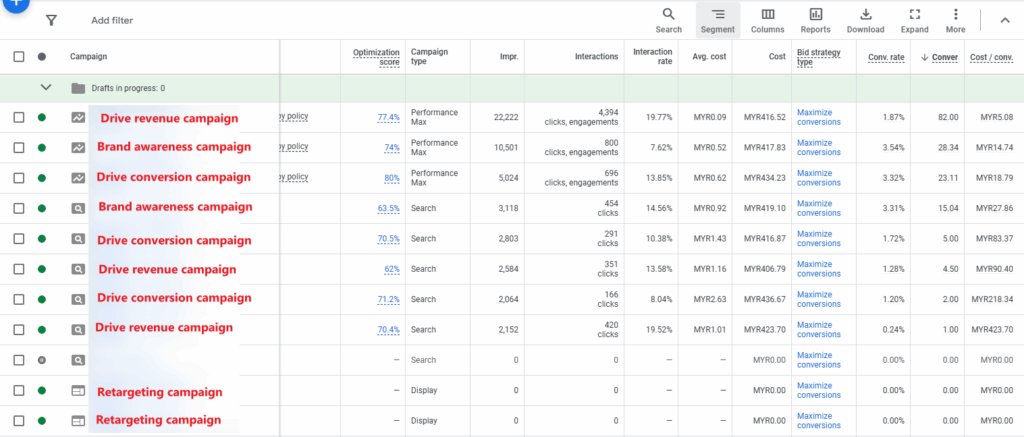
Fix It: Check your campaigns at least once a week, tweaking bids, pausing low-performing ads, or testing new keywords to keep things fresh.
Mismatching Ads and Landing Pages
If your ad promises “20% off yoga classes” but the landing page talks about gym memberships, visitors will bounce faster than you can say “click.”
Fix It: Double-check that your landing page content mirrors your ad’s offer and keywords, keeping the user’s intent front and center.
Skimping on Conversion Tracking
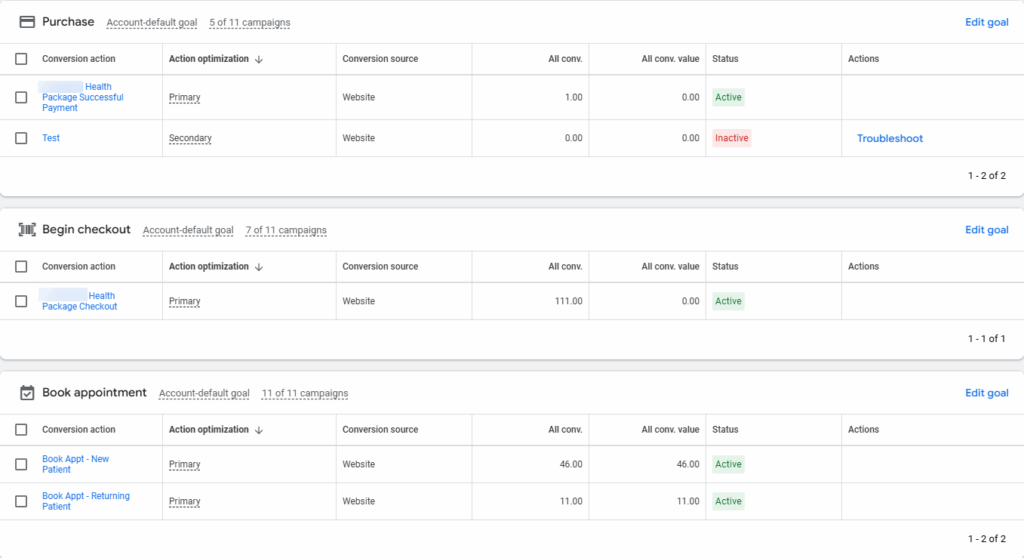
Fix It: Set up conversion tracking in Google Ads or your analytics tool to see which ads drive real results, then focus your budget on what works.
Overloading Ads with Keywords
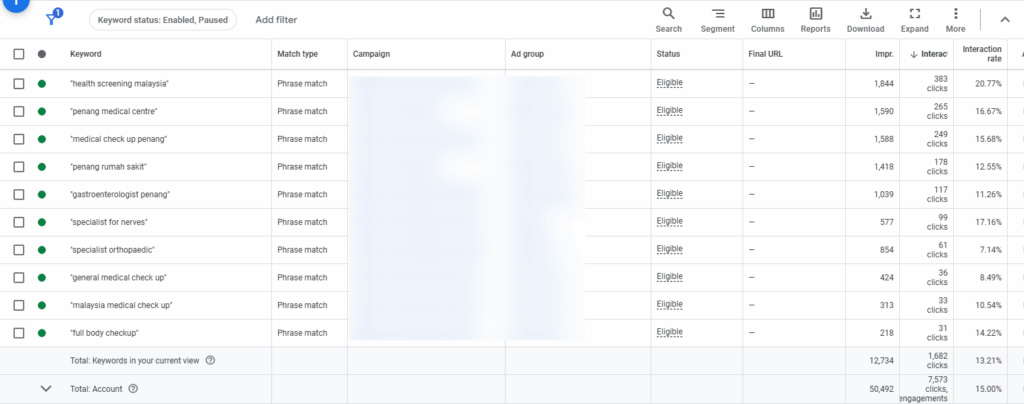
Fix It: Create tightly themed ad groups with 5-10 related keywords each, so your ads stay laser-focused and your Quality Score stays high.
Conclusion
PPC is one of the fastest ways to attract more customers—and with the right strategies, it becomes even more powerful. By targeting the right audience, creating compelling ads and landing pages, and continuously tracking and optimizing your campaigns, you can set your business up for real growth.
While PPC delivers quick results, don’t overlook other valuable digital marketing methods like SEO, social media, video, and email marketing. Each plays a role in a well-rounded strategy.
Need expert help to get the most from your digital marketing? Contact us today! VeecoTech is proud to be recognized as one of Malaysia’s top PPC companies and we’re here to help you!